
Jessica Howard Dress Lining Static Cling? Here's the Fix
You've pulled your Jessica Howard dress from the closet, ready for the evening—and the lining is clinging to your legs with every step. Static cling turns an elegant silhouette into a frustrating fight with fabric. The good news: a dress static cling fix doesn't require special products or a trip to the dry cleaner.
Most static happens when synthetic linings (polyester, acetate) rub against tights or your skin in low-humidity air, building up charge with no path to ground. We'll walk through the immediate fixes that work in minutes, the longer-term prevention steps that stop it from coming back, and what's happening inside the fabric so you can troubleshoot any future event-day panic.
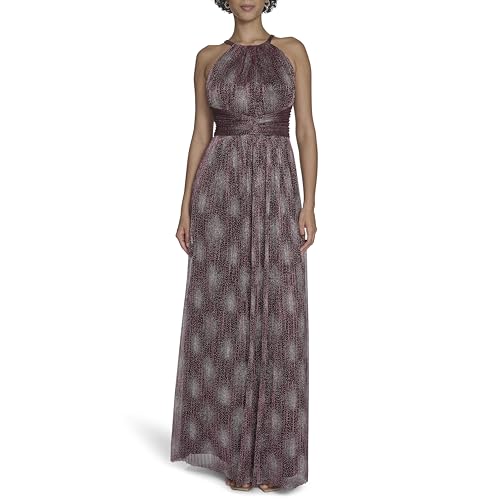
Why Synthetic Linings Cling (and Natural Fibers Don't)
Static electricity builds when two materials rub together and exchange electrons—one surface gains a negative charge, the other loses electrons and becomes positive. They attract each other until the charge equalizes. Natural fibers like cotton and silk absorb moisture from the air, which conducts charge away before it accumulates. Synthetic linings (polyester, nylon, acetate) don’t absorb moisture, so every step you take adds more charge with nowhere for it to go.
Humidity is the deciding factor: above 40–50% relative humidity, even synthetics hold enough surface moisture to bleed off static. Below that threshold—common in heated indoor spaces October through March—the air is too dry to conduct charge, and your lining clings to tights, slips, or bare legs. According to the Encyclopædia Britannica’s entry on static electricity, the phenomenon intensifies as temperature rises and humidity drops, which is exactly the environment most climate-controlled event venues create.
Immediate Fixes: What Works in the Next Five Minutes
Dryer Sheet or Fabric Softener Wipe
Rub a dryer sheet along the inside of the lining and over your tights or slip. The sheet deposits a thin layer of positively-charged lubricant (quaternary ammonium compounds) that neutralizes the negative charge on the fabric. This works for two to four hours before you’ll need to reapply. Unscented sheets avoid perfume transfer to the dress.
Safety Pin Through the Hem
Pin a small safety pin to the inside hem of the lining so the metal head touches your skin or tights. Metal conducts charge to ground through your body, preventing buildup. This is the zero-product solution—keep a pin in your clutch for event-day emergencies.
Lightly Dampen Your Hands, Pat the Lining
Wet your palms, shake off excess water, then run your hands along the inside of the lining. The moisture film conducts charge away instantly. Reapply every hour or after you’ve been seated for a while, as the water evaporates and static returns.
Prevent Static Before You Dress: Laundry and Storage Tweaks
Add a quarter-cup of white vinegar to the rinse cycle when you hand-wash the lining (or the entire dress if it’s machine-safe). Vinegar softens fabric and leaves a slightly acidic residue that resists charge buildup. Skip fabric softener in the wash—it can coat synthetics unevenly and make some static worse.
Hang the dress in a steamy bathroom for ten minutes before wearing it. The humidity saturates the lining fibers, giving static nowhere to stick. If you’re comparing how beaded halter gowns handle versus glitter lace styles, note that heavier beadwork on the bodice can actually help—the extra weight keeps the skirt lining from riding up and rubbing as much.
Store dresses with a small open container of water on the closet shelf during winter. Raising closet humidity even five or ten points reduces the charge that builds up while the dress hangs.

What About Anti-Static Spray and Hairspray?
Commercial anti-static sprays (like Static Guard) work the same way dryer sheets do—they deposit a conductive film—but in aerosol form. Spray the inside of the lining from twelve inches away, let it dry for thirty seconds, then dress. One application lasts four to six hours. Check the label to confirm it’s safe for acetate and polyester; most are, but some leave visible residue on dark fabrics.
Hairspray is the folk remedy everyone mentions, and it does work in a pinch: spray a light mist on your tights or slip (not directly on the lining, which can stain). The polymers in hairspray add weight and a slight tackiness that stops fabric from separating and re-clinging. The downside: it can feel sticky against your legs after an hour, and it doesn’t prevent static as well as products designed for the job. Use it only if you have no other option at the venue.

Why Your Tights and Shoes Matter as Much as the Dress
Rubber-soled shoes insulate you from ground, trapping charge in your body and the dress. Leather-soled shoes conduct charge away through the floor (especially if the floor is concrete, tile, or wood—not carpet). Swap to leather soles if static is a persistent problem at formal events.
Nylon and spandex tights generate more static than cotton-blend or wool tights because synthetics don’t absorb moisture. If you’re wearing a Jessica Howard gown with a full tulle or organza skirt, cotton-blend tights eliminate most cling without any other fix. Bare legs with a slip underneath the lining work even better—skin conducts charge naturally, so static never builds up in the first place.
Static-Free Confidence for Every Event
A clinging lining doesn’t have to ruin your evening. Most static fixes—dryer sheets, a safety pin, damp hands—take under a minute and work for hours. For long-term prevention, raise closet humidity during dry months, wash with vinegar instead of softener, and swap to cotton-blend tights or leather-soled shoes when you know the venue will be climate-controlled.
The underlying principle stays the same: static needs dry air, friction, and an insulating barrier to build up. Break any one of those three conditions and the dress hangs the way it’s supposed to—smooth, elegant, and ready for wherever the night takes you.
Common Questions About Dress Static and Quick Fixes
Yes—apply unscented body lotion to your legs and let it absorb for a few minutes before dressing. The moisture in lotion conducts charge away from the lining just like damp hands do, and it lasts longer because the oils slow evaporation.
Avoid heavily scented or glittery lotions, which can transfer to the fabric and leave marks.
Not if you skip fabric softener and use vinegar in the rinse. Washing removes the residue from previous anti-static products, which can actually reduce cling if that residue was applied unevenly.
Over-drying in a machine dryer does make static worse—synthetics tumbling in hot, dry air build up massive charge. Air-dry linings whenever possible, or use the lowest heat setting and remove the dress while it’s still slightly damp.
Yes, if you run it long enough to raise room humidity above 40%. Most static disappears once the air holds enough moisture to conduct charge away naturally.
A small tabletop humidifier in the closet works even better—it keeps the immediate area around your dresses humid without over-humidifying the whole bedroom, which can encourage mold on other fabrics.
Sitting compresses the lining against your legs and tights, increasing friction and charge buildup. When you stand up, all that accumulated static releases at once and the fabric clings hard.
Stand and smooth the lining every twenty to thirty minutes during long seated events, or keep a dryer sheet in your clutch to reapply between courses at dinner.
Yes—cotton and silk linings don’t generate static because they absorb moisture from the air. If you’re having a dress altered or custom-made, request a cotton batiste or silk habotai lining instead of polyester.
Existing dresses can sometimes have the lining replaced by a tailor, but the cost usually exceeds the price of a new dress unless the outer fabric is particularly valuable.
Only if you use a steam iron and leave the fabric slightly damp. The steam adds moisture that conducts static away, but a dry iron at high heat actually makes synthetic linings cling worse by driving out any residual humidity.
If you don’t own a steam iron, hang the dress in a steamy bathroom for ten minutes—it’s easier and just as effective.